
10 Decorative Lighting Trends Transforming Modern Homes in 2026
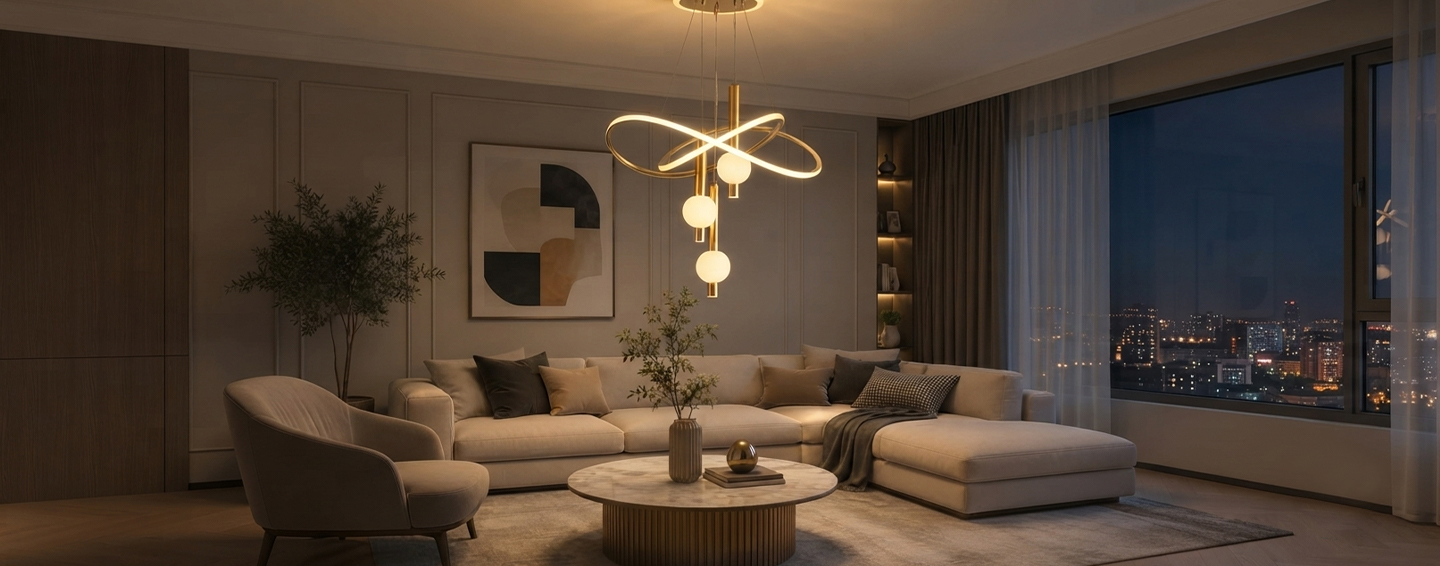
An overhead light switched on in an otherwise dark room rarely creates an inviting space. Instead of warming an environment, a single central fixture floods it with flat illumination, casting sharp shadows that make beautiful furniture look dull and uninspired. Interior designers avoid this issue by using decorative fixtures as a strategic tool rather than a final afterthought. These pieces do more than provide basic visibility; they inject texture, define structural zones, and alter how you experience a room's proportions. Understanding how to use these items allows you to transform any ordinary living area into a beautifully balanced, intentional environment.
The Evolution of Home Illumination
Residential design focuses heavily on personalization, shifting away from standard choices toward customized interior statements. Lighting has evolved from a basic utility into an expressive medium. Homeowners are no longer content with uniform recessed panels that provide brightness but lack soul. Instead, the modern home utilizes light to sculpt environments, alter perceptions, and introduce contrasting textures.
By analyzing the global shifts in materials, forms, and technologies, we can see how people are rethinking their spaces. The emphasis is on flexibility, natural connection, and visual artistry. Let us look at the ten major design shifts redefining modern homes this year.
1. Sculptural Statement Pieces
Fixtures are increasingly viewed as artwork for the home. Massive, unique pendant lights and bold chandeliers serve as primary focal points in living areas, dining spaces, and entryways. Rather than blending into the background, these pieces command attention through unusual, expressive silhouettes.
Even when switched off during the day, a large sculptural fixture acts as a central design element. It breaks up horizontal lines and injects creative weight into the center of a room. Designers use these oversized items to anchor seating groups or define the heart of an open-concept layout.
2. Biophilic and Nature-Inspired Forms
Bringing outdoor elements inside remains a central theme in modern layouts. Fixtures are embracing organic forms that mimic cascading water, delicate tree branches, or cloud formations. This trend relies on shapes that look less manufactured and more grown.
These organic designs help soften the rigid geometry of contemporary architecture. A light that filters through branching limbs or curved glass structures creates complex shadow patterns on walls and ceilings, fostering a sense of tranquility and connection to the natural world.
3. Raw, Sustainable Earth Textures
In tandem with biophilic shapes, there is a massive shift toward raw materials. Lamp bases and shades are featuring elements like unpolished stone, rattan, woven bamboo, linen, and artisanal ceramic. These materials focus on tactile variation over sleek uniform plastics or polished chrome.
The texture of a linen shade or a porous ceramic base diffuses light gently, creating a soft glow rather than a harsh beam. This fits within warm minimalist or Japandi decor styles, where simplicity and material honesty take priority over complex ornamentation.
4. High-Shine Metallic Finishes
As a direct counterweight to raw earth textures, high-shine metals are making a powerful statement. Polished brass, glossy chrome, black metal, and dark steel are being integrated into modern fixtures to provide a clean edge.
These reflective surfaces catch the ambient light in a room, adding subtle glimmer even during daylight hours. Using a mix of raw textures alongside a sharp metallic finish creates a compelling visual dialogue within a room, ensuring the layout looks collected rather than uniform.
5. Vintage Revival with Modern LED Technology
Nostalgia is shaping contemporary tastes, resulting in a resurgence of classic designs. Art Deco geometry, mid-century modern mushroom lamps, and retro pleated shades are appearing in current living spaces.
However, these pieces are re-engineered for today's environment. They use advanced, low-profile LEDs that emit zero heat and consume minimal energy while maintaining the warm, low-Kelvin amber glow that made traditional designs so comforting.
6. Magnetic Modular Systems
Flexibility is a necessity for modern families who frequently alter how they use their rooms. Magnetic track systems and modular fixtures allow you to reposition individual light sources without calling an electrician.
You can slide pendants along a channel, snap in extra spotlights, or redirect beams as your furniture layout shifts. This adaptability makes it simple to transition a room from a focused home office during the day to an entertainment space at night.
7. Subtle Indirect LED Strips
Invisible illumination is growing rapidly. Instead of relying on visible bulbs, designers hide linear LED profiles inside architectural niches, behind sofa frames, underneath kitchen islands, and along staircases.
|
Placement |
Direct Visual Benefit |
|
Under Kitchen Islands |
Creates a floating effect, softens floor surfaces |
|
Behind Living Room Sofas |
Pushes walls back, adding immediate depth |
|
Along Staircase Treads |
Enhances structural safety while highlighting materials |
|
Inside Bookshelf Niches |
Turns shelving into a glowing accent wall |
This approach highlights the architecture itself rather than the fixture, washing surfaces with a gentle glow that enhances spatial depth without introducing visual clutter.
8. Integrated Smart Systems
Technology has advanced past simple remote controls. Current systems use integrated automation to sync with your daily rhythm. Lights can shift color temperature automatically as the day progresses.
They can emit a bright, neutral light at noon to encourage alertness, then gradually transition to a warm, low-intensity amber hue by 8 PM to signal the body it is time to relax. App-based scheduling and motion tracking ensure your home is balanced without requiring manual adjustments.
9. Monochromatic Custom Colors
Rather than forcing fixtures to stand apart from the walls, a prominent movement involves matching the light's frame exactly to the surrounding paint color. Pendants, sconces, and switch plates are finished in the same shades of ocean blue, olive green, or terracotta as the drywall.
This creates a seamless, immersive atmosphere where the fixture seemingly blends into the architecture, allowing the emitted light itself to take center stage as a structural design element.
10. Spa-Inspired Bathroom Illumination
The bathroom vanity is no longer subjected to harsh, downward-facing bulbs that create deep shadows under the eyes. Modern bathrooms feature layers reminiscent of high-end spas.
Backlit mirrors, waterproof floor-level strips, and low-wattage decorative pendants create a soothing environment. By utilizing multiple low-intensity layers instead of a single bright ceiling source, the bathroom easily transitions from a functional morning workspace to a calming evening sanctuary.
Implementing the Trends
You do not need to replace every fixture in your home to benefit from these movements. A successful update relies on balancing your existing furniture with a few well-chosen changes.
Begin by looking at the dark zones in your home where illumination is flat or missing. Swap out standard bulbs for automated smart options, or add a single sculptural piece over your dining table to establish a bold center of gravity. By mixing varied textures, heights, and technologies, you gain total command over the mood and character of your interior environment.
Transform Your Living Spaces
Embracing these current movements is about designing an environment that supports your lifestyle while expressing your unique aesthetic sense. Light is the ultimate tool for modifying scale, softening harsh lines, and introducing visual texture.
Explore our new arrivals of organic pendants, statement chandeliers, and modular wall sconces to find the ideal additions of your layout. Review your home layout tonight note where the shadows fall, and select the pieces that will redefine your home atmosphere.