
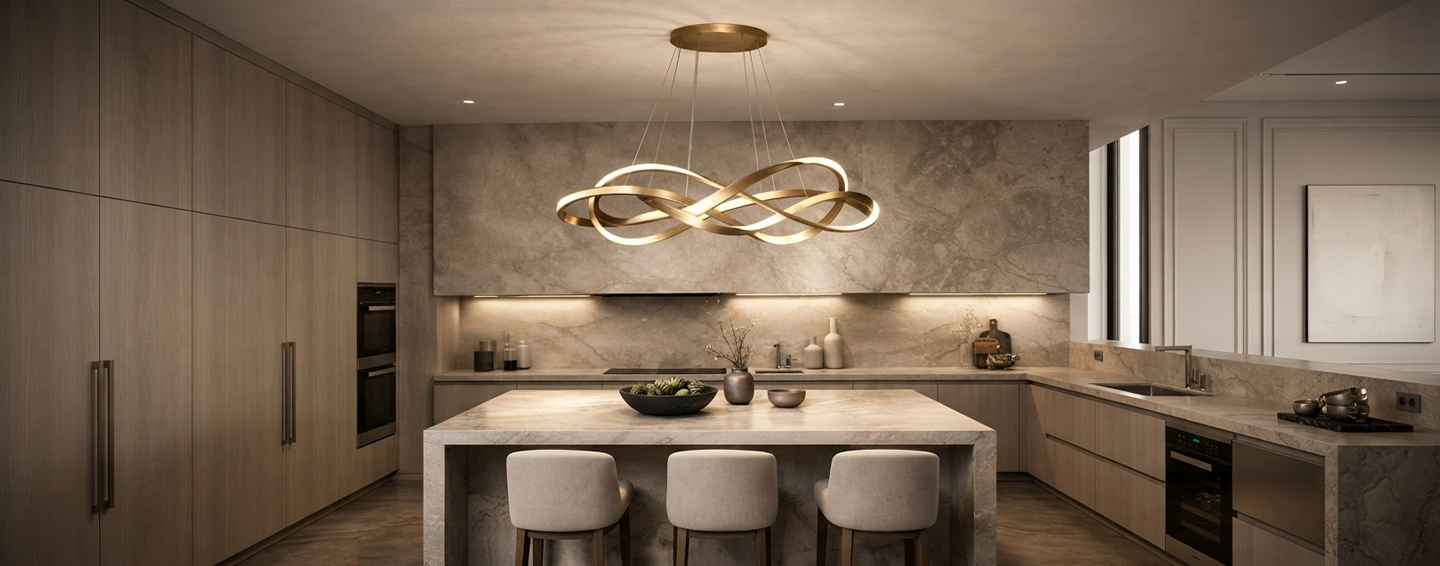
Layer Your Light Like a Designer: Decorative Lighting Tips That Work
An overhead fixture switched on in a dark room rarely creates a welcoming atmosphere. Instead of illuminating a space, it floods it, casting harsh shadows and leaving corners looking flat and uninspired. Interior designers avoid this issue by using a strategy known as layered lighting. By combining different illumination types like ambient, task, and decorative, you can actually transform a cold room into an inviting environment. This approach is not buying expensive fixtures; it is about placement, balance, and understanding how light interacts with surfaces. Let us break down how to layer your lighting to elevate your home.
The Foundation: Understanding the Three Layers
To build a structured scheme, you need to understand how the three main types of illumination tend to interact. Relying on just one type makes a space feel two-dimensional. Combining them adds depth and visual interest.
1. Ambient Illumination
This is the base layer that provides general visibility. It replaces daylight and allows you to move around safely. Often, this comes from recessed ceiling fixtures, flush mounts, or central chandeliers. While necessary, ambient illumination should never be the only source in a room, as it tends to be uniform and lack character.
2. Task Illumination
This layer focuses on specific areas where activities take place, such as reading, cooking, or working. Desk lamps, under-cabinet LED strips, and directional reading sconces serve this purpose. Task illumination prevents eye strain by placing focused beams exactly where your eyes need them, without lighting up the entire room unnecessarily.
3. Decorative and Accent Illumination
This is where personal style comes into play. Accent illumination tends to draw attention to architectural details, artwork, or bookshelves. Decorative fixtures like a sculptural pendant or an ornate table lamp, act as visual art pieces even when switched off. This layer adds personality and forms the focal points that draw people into a room.
Strategic Tips for Decorative Layering
When implementing these layers, specific strategies can help you achieve an even and balanced flow throughout your living spaces.
Focus on Visual Balance
Avoid clustering your fixtures in one area. If you have a bright floor lamp on one side of a seating arrangement, balance it with a table lamp or a wall sconce on the opposite side. This draws the eye across the space rather than anchoring it to a single bright spot.
Mix Your Materials and Textures
Decorative fixtures are visible elements of your decor. Choose pieces that complement your furniture but introduce contrasting textures. For instance, if your room features matte finishes and wood, introduce a polished brass fixture or a frosted glass pendant. The contrast makes the design feel curated over time.
Consider the Direction of Light
Fixtures cast light in different ways. Downlights push brightness toward the floor, uplights draw attention to the ceiling, and diffused fixtures scatter a soft glow outward. A well-designed room uses a mix of these directions. A translucent shade on a table lamp will soften the surrounding area, while a solid metal cone will direct a sharp beam downward onto a side table.
Room-by-Room Guide to Layering
Every space in your home serves a different function, meaning your approach must adapt as you move from room to room.
The Living Room: Creating Warmth
Living rooms are multifunctional spaces used for entertaining, relaxing, and reading. Start with dimmable ambient ceiling lights. Next, add task lamps near armchairs for reading. Finally, introduce decorative elements:
- Place small cordless lamps on bookshelves to illuminate dark corners.
- Install picture lights over artwork to create low-level focal points.
- Use wall sconces flanking a fireplace to frame the architectural centerpiece of the room.
The Kitchen: Balancing Function and Style
Kitchens require high visibility, but they should still feel welcoming. While recessed cans provide general ambient light, decorative elements make the space feel less industrial.
- Hang a pair or trio of decorative pendants over the island to bridge the gap between high ceilings and counter height.
- Use under-cabinet strips to illuminate your workspaces cleanly.
- Add a small lamp on an open shelf or a corner of the counter to soften the atmosphere during evening hours.
The Dining Room: Setting the Mood
The dining table is the undisputed focal point of this room. A central decorative chandelier or linear pendant should hang roughly thirty to thirty-six inches above the table.
- Keep the central fixture on a dimmer to adjust the mood for different gatherings.
- Flank the room with a sideboard featuring two matching table lamps, which adds horizontal balance and reduces the harshness of a single overhead source.
The Bedroom: Prioritizing Serenity
Bedrooms require a calm, restful atmosphere. Overhead fixtures should be kept low or avoided entirely during evening hours.
- Replace standard bedside lamps with wall-mounted swing-arm sconces to free up nightstand space and add a modern hotel-inspired look.
- Place a low-wattage lamp on a dresser to create a soft glow that path-lights the room without disturbing relaxation.
Enhancing Dimensions with Scale and Height
A common mistake is placing all the fixtures at the same physical height. If your ceiling lights, sconces, and table lamps all align horizontally, the room will feel restricted.
Vary the heights of your illumination sources to encourage the eye to move upward and around the space. Floor lamps should stand taller than your seating, table lamps should sit at eye level when you are seated, and pendants should hang high enough to maintain clear sightlines.
Scale is equally important. A small pendant over a large dining table looks accidental, while an oversized fixture can overwhelm a compact room. Measure your furniture pieces before selecting fixtures to ensure the proportions look intentional and balanced as well.
Choosing the Right Bulbs
The fixtures themselves are only half of the equation; the bulbs you place inside them dictate the actual ambiance. Pay close attention to two critical factors: color temperature and brightness.
|
Room Type |
Recommended Temperature |
Ambiance Goal |
|
Living Room |
2700K |
Warm, cozy, relaxing |
|
Bedroom |
2700K |
Serene, restful, soft |
|
Dining Room |
2700K |
Intimate, inviting |
|
Kitchen |
3000K - 3500K |
Bright, clean, functional |
Color temperature is measured in Kelvins (K). Lower numbers represent warm, amber tones, while higher numbers indicate cool, blue tones. For living areas, dining spaces, and bedrooms, aim for a warm temperature of 2700K.
This mimics the cozy glow of traditional incandescent bulbs or candlelight. For workspaces like the kitchen or home office, a slightly crisper temperature of 3000K to 3500K provides clarity without feeling clinical.
Avoid high-Kelvin bulbs (4000K and above) in residential living areas, as they tend to create a cold environment that flattens your decorative efforts. Consistency across your bulbs prevents visual confusion and ensures smooth transitions between layers.
Upgrading Your Current Configuration
Transforming your home doesn’t require a complete renovation. You can make immediate improvements by modifying what you already have.
First, swap out standard wall switches for dimmer switches wherever possible. Dimmers allow you to control the intensity of your ambient layers, quickly changing a room from a bright workspace to a cozy evening get-away.
Second, use plug-in sconces if you want to add wall fixtures without opening up your drywall for new wiring. Many modern designs feature fabric-covered cords that look intentional and add a clean line to your walls.
Third, incorporate smart plugs to automate your lighting layers. Setting your accent lamps to turn on automatically at sunset ensures your home always feels welcoming, even before you walk through the door.
Elevate Your Home Design
Layering illumination is the secret to making a home look complete, thoughtful, and balanced. By moving away from a single overhead source and introducing varied heights, textures, and intensities, you tend to gain full control over the mood and functionality of your environment.
Explore our curated selection of modern pendants, elegant sconces, and sculptural table lamps to find the structural elements of your rooms are missing. Review your current layout, identify the dark zones in your home, and start building your layers today to experience your living spaces in a completely new way.